


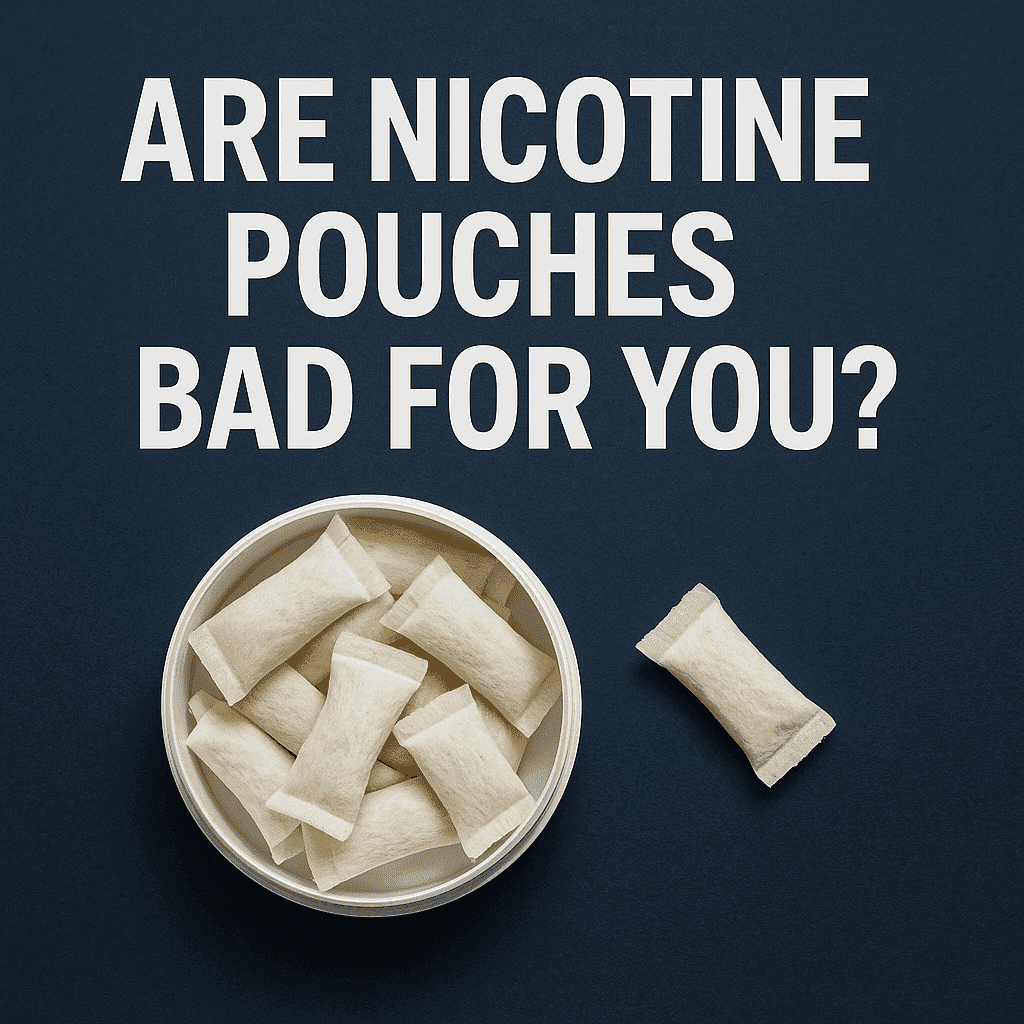
Are Nicotine Pouches Bad for You?
Nicotine pouches have gained widespread popularity in recent years, particularly among young adults looking for a smokeless and tobacco-free alternative to cigarettes. Marketed as a cleaner and potentially less harmful way to consume nicotine, these pouches have raised concerns among health professionals about their potential risks and long-term effects. This article explores the safety of nicotine pouches, examining their side effects, long-term health implications, and regulatory status.
What Are Nicotine Pouches?
Nicotine pouches are small, pre-portioned packets containing nicotine, flavorings, and plant-based fillers. Unlike traditional chewing tobacco or snus, they do not contain tobacco leaves. Users place the pouch between their gum and upper lip, where the nicotine is absorbed through the mucous membrane. This allows for nicotine intake without the need for smoking or spitting, making them a discreet and convenient alternative to cigarettes and other tobacco products.
Comparison to Other Tobacco Products
- Smoke-Free: Unlike cigarettes, nicotine pouches do not produce smoke, tar, or combustion-related toxins.
- Tobacco-Free: Unlike snus or chewing tobacco, nicotine pouches do not contain tobacco leaves, reducing exposure to some harmful substances.
- Nicotine Content: Pouches contain varying nicotine levels, allowing users to control their intake.
Short-Term Side Effects
Despite being marketed as a less harmful alternative to smoking, nicotine pouches can cause immediate side effects, including:
- Gum Irritation and Mouth Sores: The direct contact of nicotine with oral tissues may cause irritation, leading to discomfort or sores.
- Hiccups and Upset Stomach: Nicotine can disrupt digestion, leading to mild nausea or hiccups in some users.
- Increased Heart Rate and Blood Pressure: As a stimulant, nicotine temporarily raises blood pressure and heart rate, potentially causing discomfort or palpitations in sensitive individuals.
Long-Term Health Concerns
The long-term effects of nicotine pouches remain largely unknown due to limited research, but potential risks include:
- Addiction Potential: Nicotine is highly addictive, and regular use of nicotine pouches can lead to dependence.
- Cardiovascular Risks: While smoke-free, nicotine consumption still raises concerns about its impact on heart health, including risks of hypertension and increased heart disease probability.
- Potential Oral Health Issues: Prolonged use may contribute to gum recession and other oral health problems.
- Lack of Long-Term Research: Since nicotine pouches are relatively new to the market, comprehensive studies on their long-term health effects are still lacking.
Impact on Youth and Young Adults
A major concern surrounding nicotine pouches is their appeal to younger demographics. Flavored varieties and aggressive marketing have contributed to increased usage among teens and young adults. Risks include:
- Higher Addiction Risk: Adolescents are more susceptible to nicotine addiction due to their developing brains.
- Effects on Brain Development: Nicotine exposure during adolescence can interfere with cognitive function, memory, and attention.
- Growing Popularity Among Youth: The convenience, accessibility, and discreet nature of nicotine pouches contribute to rising use among younger consumers.
Comparison to Other Tobacco Products
While nicotine pouches may present fewer risks compared to combustible tobacco, they are not risk-free. Key comparisons include:
- Reduced Harm Potential: Nicotine pouches lack tar and many carcinogens found in cigarettes.
- Harmful Chemicals: Despite being tobacco-free, they still contain nicotine and other additives that may have adverse health effects.
- Unclear Long-Term Risks: Unlike smoking, which has been extensively studied, the long-term impact of nicotine pouch use is not well understood.
Regulatory Status and Safety Claims
The regulation of nicotine pouches varies by country, and in many places, oversight remains limited.
- FDA Stance: In the U.S., nicotine pouches are classified as tobacco-derived products, but they have not been approved as smoking cessation aids.
- Lack of Medical Endorsement: Unlike nicotine patches or gum, pouches are not medically recommended for quitting smoking.
- Marketing Restrictions: Some governments have started placing restrictions on advertising and flavored varieties to curb youth appeal.
Conclusion
Nicotine pouches provide a smoke-free alternative to traditional tobacco products, potentially reducing exposure to certain harmful chemicals. However, they still pose risks, including addiction, cardiovascular concerns, and oral health issues. The lack of long-term research leaves uncertainties about their overall safety. Users should remain cautious and consider the potential risks, especially younger individuals who are more vulnerable to nicotine dependence.

Posted on by Max Juserius
